
Articles
Tarun Singh’s latest articles
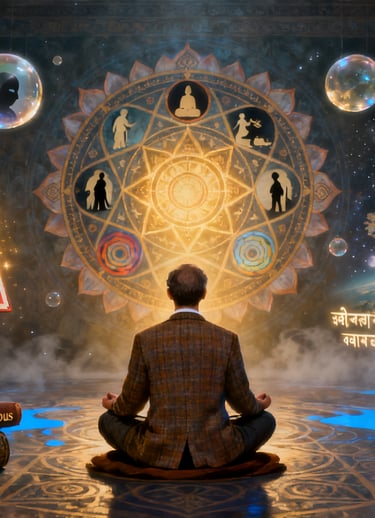
Psychology as Lived Inquiry - Jung and the Vedic Science of Consciousness
This article explores the deep structural affinity between Carl Jung’s psychological method and the Vedic integration of theology, science, and psychology. Drawing on Memories, Dreams, Reflections and Jung’s reflections on Answer to Job, it argues that Jung, like the Vedic tradition, grounds knowledge not in doctrine but in lived experience, symbolic understanding, and disciplined inquiry. By examining key Vedic concepts such as Ātman, Brahman, yoga, and moksha alongside Jung’s ideas of the Self and individuation, the essay shows that both treat consciousness as the primary field of investigation and measure truth by its transformative effect on human life. In doing so, it presents the Vedic model as a coherent alternative to modern Western fragmentation between theology, science, and psychology.


Mantra, Shabda Brahman, and the awakening of Kundalini Shakti:
This article explores the profound relationship between sound, consciousness, and spiritual evolution through the lens of Indian philosophy. It explains how Shabda (cosmic sound), Mantra (sacred vibration), and Artha (form or meaning) work together as the building blocks of creation and perception. Drawing from Tantric and Vedantic traditions, the article illustrates how sound evolves from its unmanifest state to audible expression, how Sanskrit letters and Bīja Mantras correspond to the Chakras, and how Mantra practice awakens Kundalinī Shakti, the dormant spiritual energy within the body. It shows how this ascent of Kundalinī transforms consciousness, purifies mental impressions, and ultimately leads to self-realization and the experience of Shabda Brahman, the soundless source of all existence.
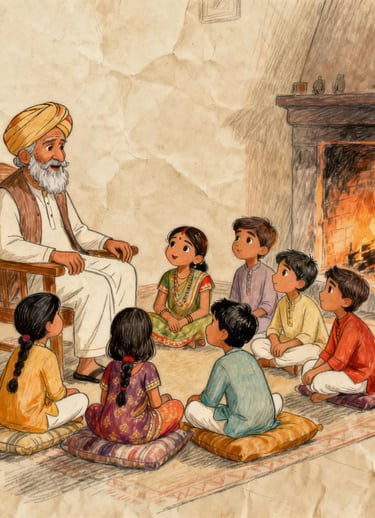
When the Worlds Were Young, A Grandfather's Stories of the Devine:
The document When the Worlds Were Young is a woven narrative in which a grandfather shares ancient stories of creation, divine beings, and cosmic lessons with his grandchildren. Through vivid retellings of Brahmā, Viṣhṇu, Śhiva, and the goddesses who embody knowledge, prosperity, and strength, the story blends mythology with gentle moral teachings. Each chapter, from the universe’s first breath to the cycles of creation and dissolution invites the children to reflect on humility, balance, courage, and the divine presence within themselves. Ultimately, the work uses mythic storytelling as a lamp to guide readers toward wisdom, compassion, and a deeper understanding of life’s spiritual rhythms.